Travelling at the Right Pace
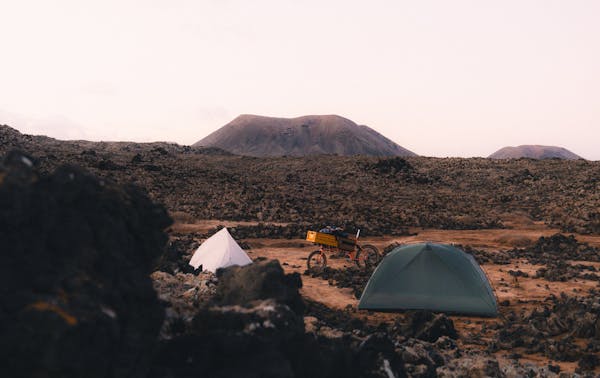
Polish photographer Adam Wilkoszarski is known for his quiet, contemplative imagery—places after the crowds have left, landscapes that feel suspended in time. When he decided to take a MONoPOLE on a vacation trip with his partner, the bike became less a subject and more a companion. We spoke with Adam about photography, cycling as a way of moving through the world, and why he never thought he needed a cargo bike—until he owned one.
Adam, you didn’t originally look for a cargo bike. How did MONoPOLE first enter your radar?
Honestly, I don't really remember the first moment. I'm pretty sure I saw it long before it started popping up on social media or platforms like bikepacking.com. Back then, I just thought it looked great—the proportions, the form factor—but I didn't consider it seriously because I didn't think I needed a cargo bike.
I don't have kids, I don't have pets. In my head, cargo bikes were for a very specific type of use.
It came back into my mind later, and suddenly I realised it could be a great bike for travelling. And also, Jarek—a friend of mine—really, really wanted to buy one. That helped push me over the edge. I’m not proud of it, but sometimes you need that little nudge.
After living with it for a while, would you still call it a cargo bike?
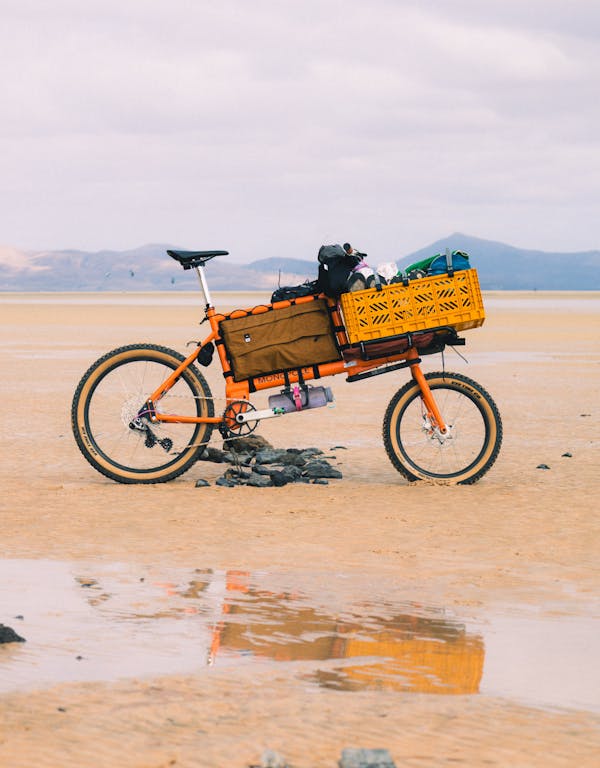
That's the thing—I don't really know who a «cargo bike» is actually for. For me, this is just a normal bike for a normal person that happens to carry things extremely well.
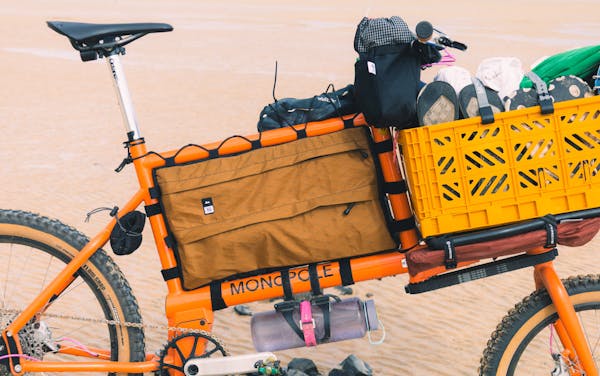
What changed immediately was how effortless it made everyday life: you put a crate on the front, you throw things in, you don’t think about straps or balance. I started using it for groceries, for daily errands. And suddenly I stopped going to the closest store—I go to the one farther away, just because it gives me an excuse to ride.
If you communicate this bike as a cargo bike, I think many people would never even try it. That was my own mistake at first. It’s more like a city bike that happens to be incredibly capable.
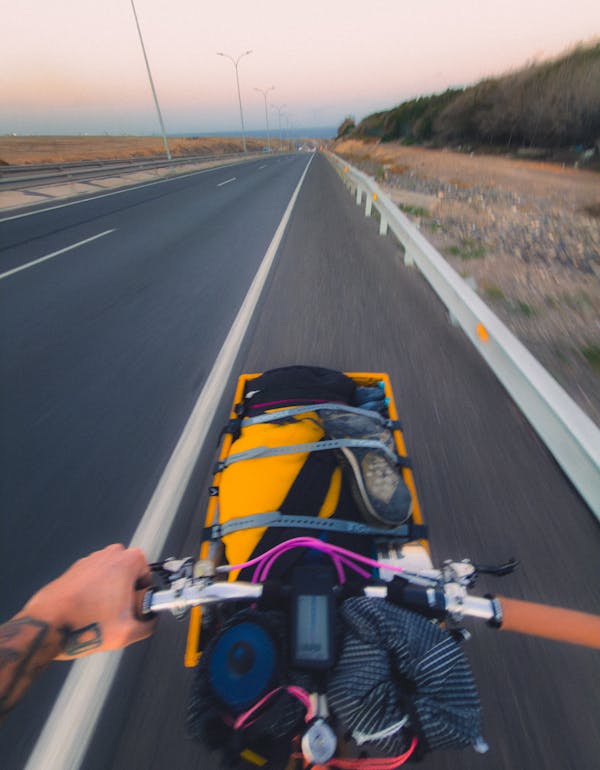
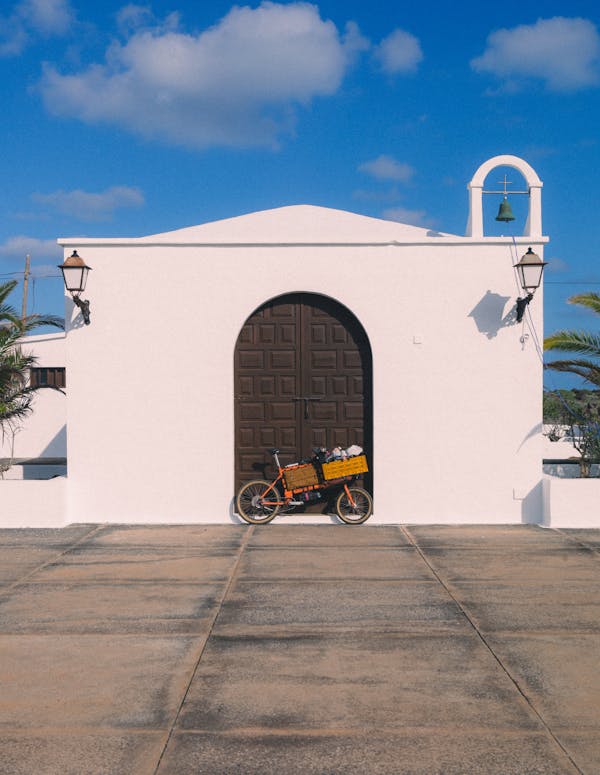
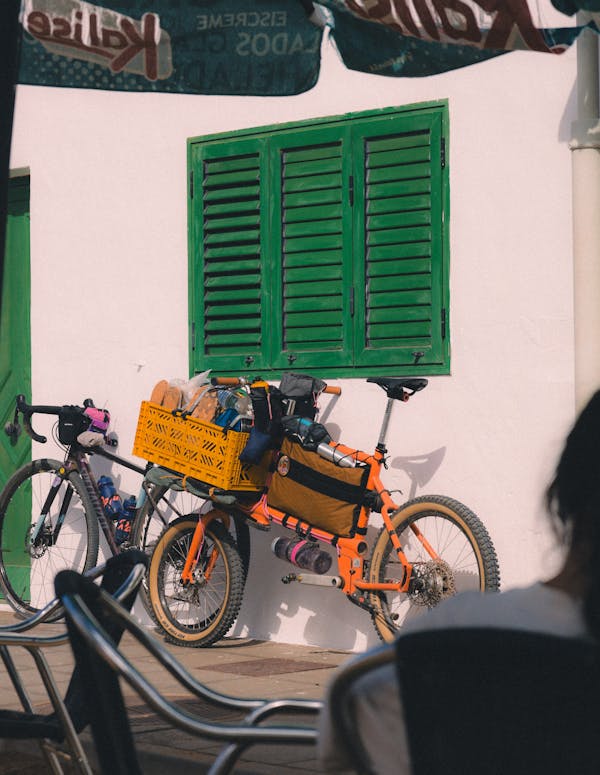
«It's more like a city bike that happens to be incredibly capable.»
You travelled with your partner on a fully loaded MONoPOLE. How did that change the way you moved together?
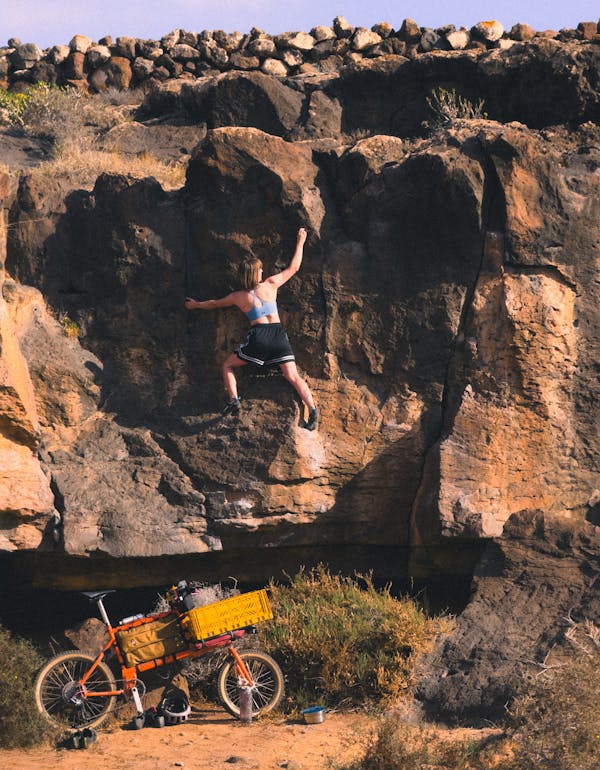
My wife is an avid climber, but she's not really into cycling. Whenever we ride together, there's usually an imbalance because I'm fitter on the bike.
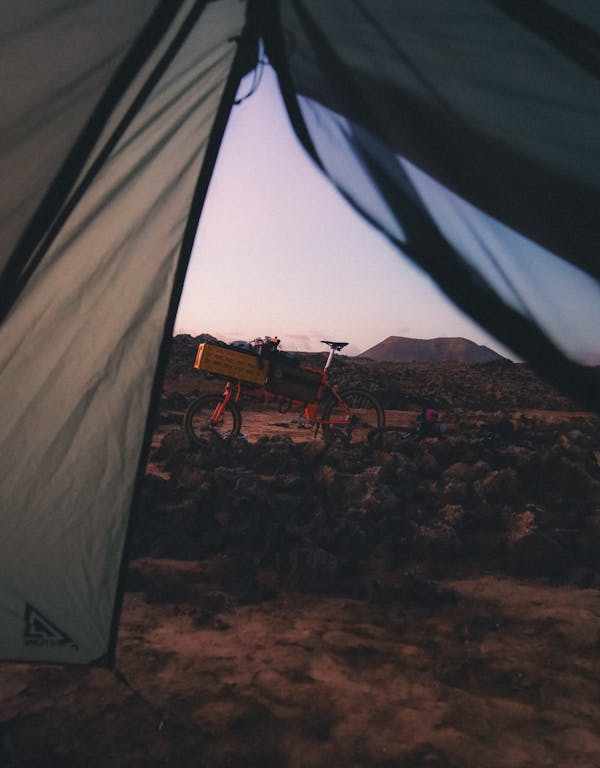
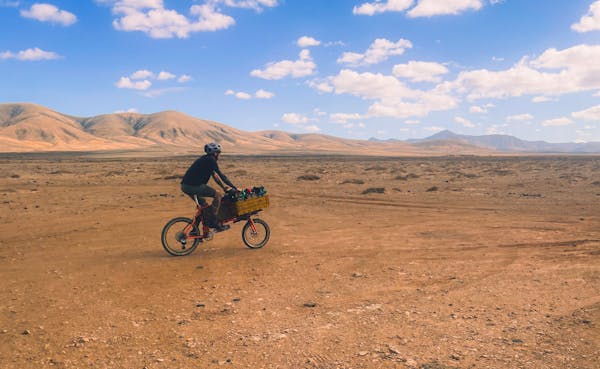
The MONoPOLE became a perfect equalizer. I carried all the luggage and equipment, she rode her fast gravel bike, and suddenly we were moving at the same pace. It didn't feel like compensation—it felt balanced.
That alone changed the dynamic of travelling together. Riding stopped being a compromise and became something we could genuinely share.
How did the bike perform as a travel companion?
Honestly, it didn't feel very different from travelling with a gravel or touring bike—and that surprised me.
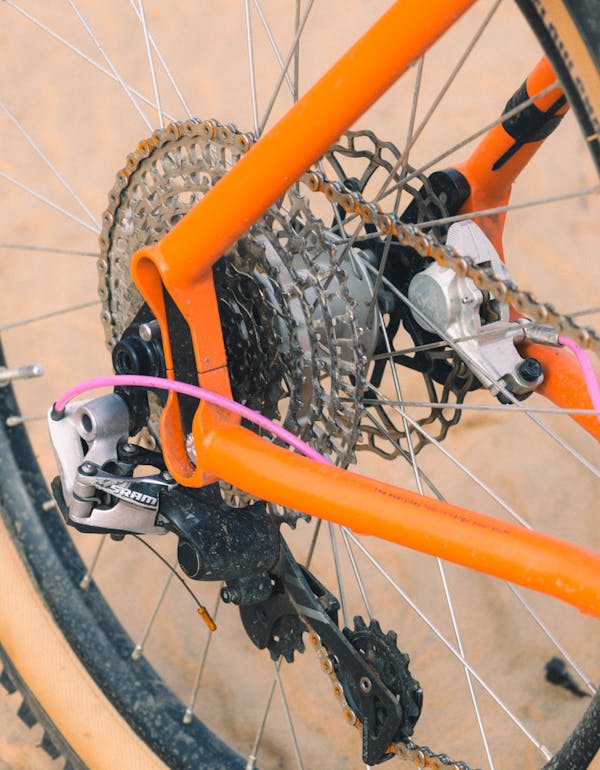
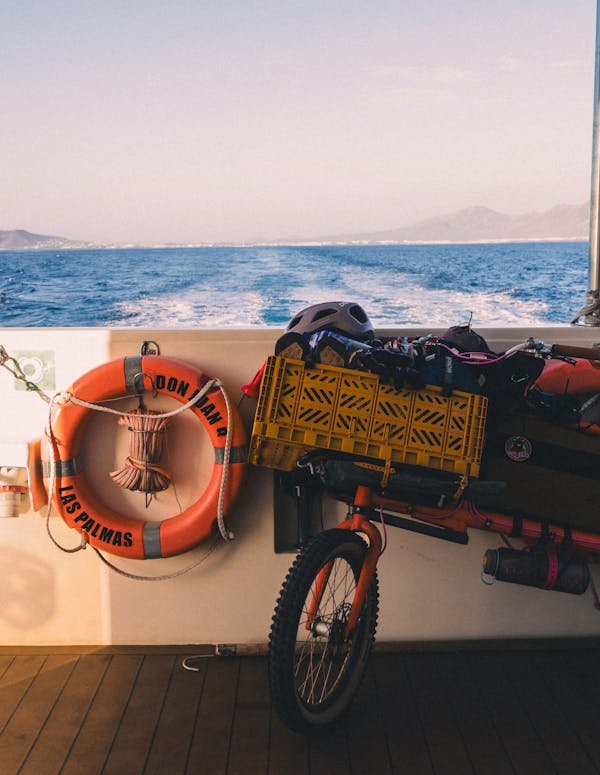
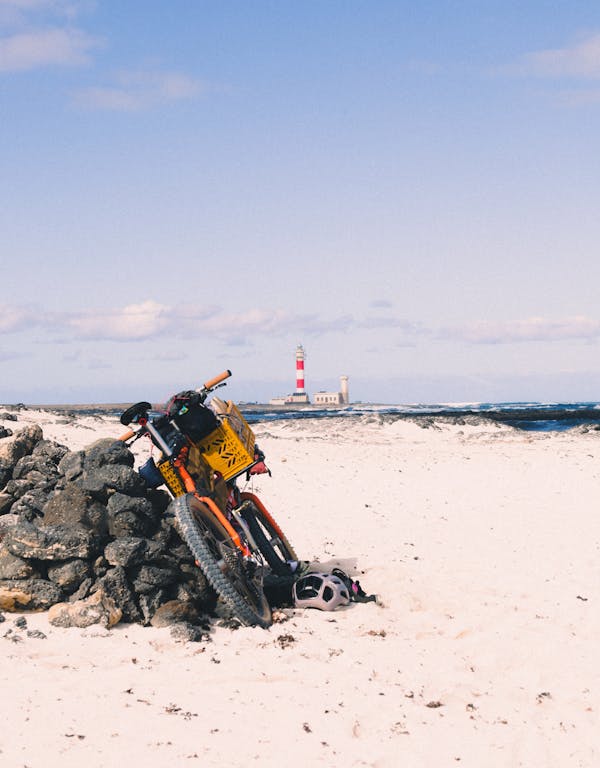
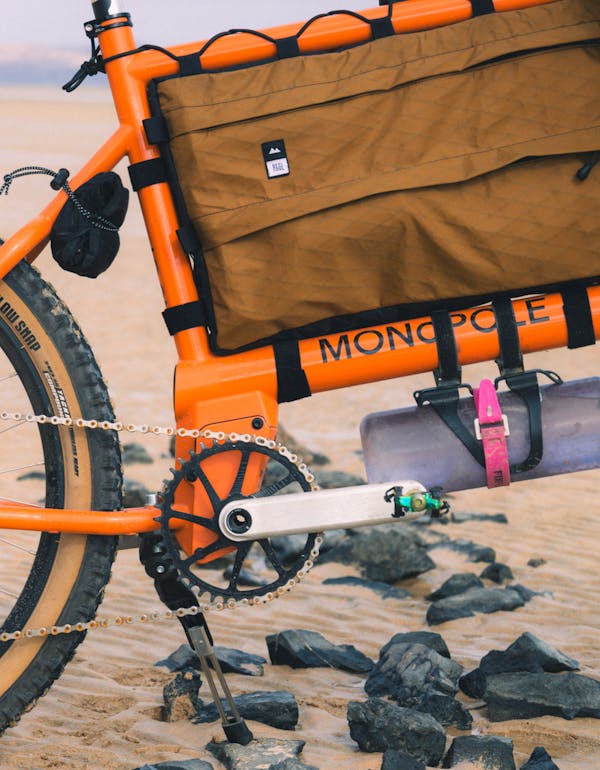
I mounted 2.4-inch tyres front and rear, extended the wheelbase to the maximum, and fully loaded it. When I came back home, I switched to slicks and shortened the wheelbase—and it became a completely different bike. Fast, agile, easy to ride.
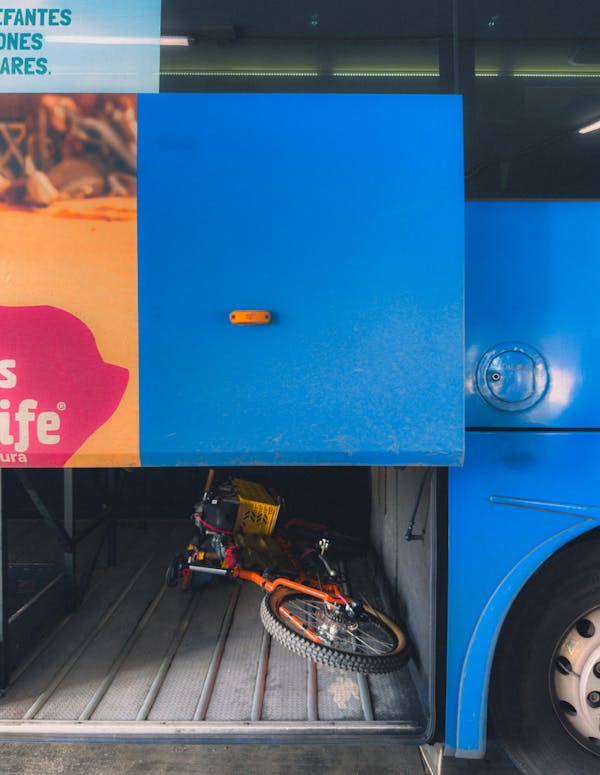
We even took it on buses. I managed to fit it into public transport without much effort. That kind of flexibility matters a lot when you're travelling.
Did having more cargo capacity change what you packed—or how you imagine future trips?
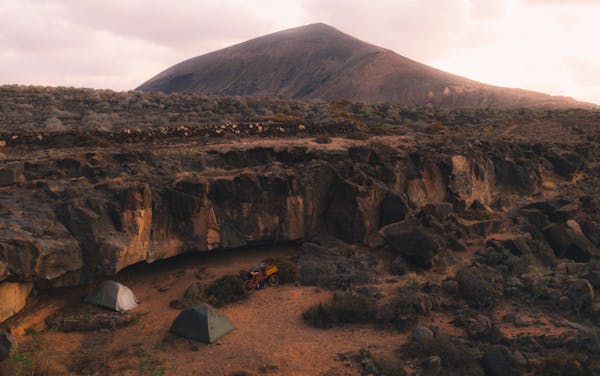
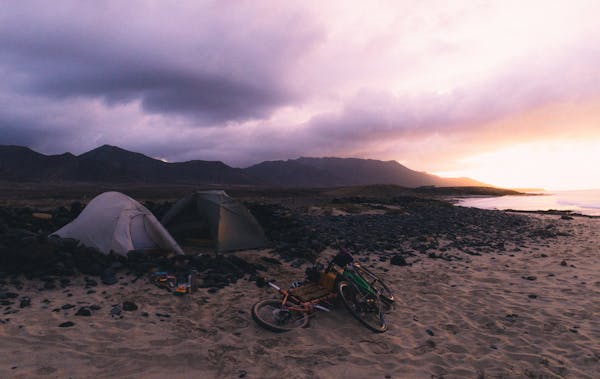
On this trip, not as much as I expected, because I was carrying equipment for two people: two tents, climbing gear, and shared items.
But it definitely changed how I think about future trips. I love cooking, and my ideal MONoPOLE journey would be a trip with proper camp cooking gear—a pan, a cutting board, knives—and making good food in beautiful places.
That's my dream setup.
Before cycling became so central, photography played a big role in your life. How did that shift happen?
I studied photography at the University of Arts in Poznań and initially wanted to work as a documentary photographer. But over time, the pressure made me unhappy.
Cycling helped me reset. I rode a lot as a kid, then BMX, and later I even worked as a bicycle messenger. Coming back to cycling as an adult became a way to deal with stress—something physical, simple, grounding.
That's when cycling slowly started to take the lead again.
Do you ever feel torn between documenting a trip and just experiencing it?
Not at all, cycling is always at the first place.
Cycling is about being present. It has the perfect pace to see the world—faster than walking, but without the separation of a car. Taking photos adds pressure, especially since I'm a professional photographer. Some days, I don't feel like photographing at all, and that's completely fine.
I could easily travel without a camera.
By the way, video would be another level entirely — creating content as a cycling YouTuber would take the joy out of it for me.
Still, many of your travel images are taken with a phone. Why?
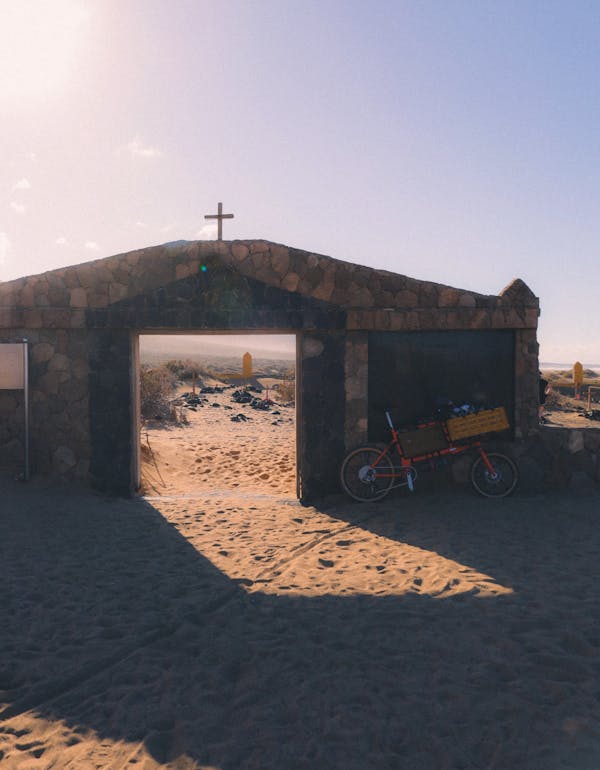
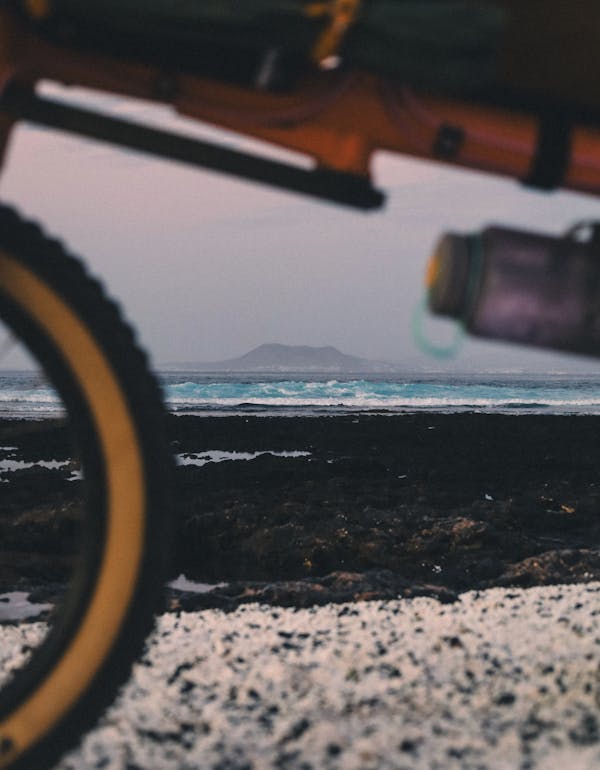
For a long time, the only camera I took on trips was my phone. Most of the images people see on my Instagram are taken with an iPhone.
On this last trip with the MONoPOLE, I brought a full-frame camera—mostly as an experiment. And honestly, when the final image is viewed on a phone screen, almost nobody can tell the difference. The message matters more than technical perfection.
You clearly have a deep relationship with bicycles. How many do you currently own?
Quite a few—one for each discipline. A road bike, a gravel bike, an MTB, a custom drop-bar MTB, and a city bike with full fenders.
Most of them are steel. The only exception is my gravel bike, which is an old titanium Kona. Two of my bikes were built by Jan from True Love of Cycles in Poland.
You once mentioned feeling emotionally attached to your bikes.
Very much so. I refuse to sell any of them. Every bike holds memories, experiences, parts of my life.
At some point, that made me a bit sad—because I realised I already had all the bikes I would ever need. And then I understood that the MONoPOLE was a type of bike I didn't have yet. That's why I bought it. And that's why I plan to keep it forever.
Finally: if you had to describe MONoPOLE not as a product, but as part of your life—what would it be?
It's a bike I didn't know I needed, but it's become an important part of my riding.
Credits
All images courtesy of Adam Wilkoszarski
Adam's Instagram